




Winchester Science Centre has unveiled three new interactive outdoor exhibits.
Dino Dig, The Chalk Stream and Dormouse Den create a hands-on science experience for children aged three to 12, through movement, nature and play.
They are part of Play Wild, the centre’s summer campaign focused on outdoor science discovery, and will open to the public on Saturday, July 18.
Read more
-
Science centre creates new job after report on youth employment
-
Record-breaking immersive experience arrives at Winchester Science Centre
-
Science centre switches on new heating system in 'huge' sustainability step
-
Charity behind Winchester Science Centre named as Rotary's 'Charity of the Year'
-
Science centre charity celebrating 25 years of inspiring young minds

Ben Ward, CEO of Wonderseekers, the educational charity behind the centre, said: "The best adventures start with a question.
"What lives here? Why does that happen? What if I try this?
"Play Wild takes the curiosity we inspire inside Winchester Science Centre and lets it loose outdoors.
"Set within the breathtaking landscape of the South Downs National Park, these new experiences invite children to explore, experiment and discover the world around them, turning every visit into an opportunity for adventure, investigation and learning.
"As the charity behind Winchester Science Centre, we believe every child deserves the chance to be curious, confident and connected to the world around them.
"Play Wild is an invitation to do exactly that."
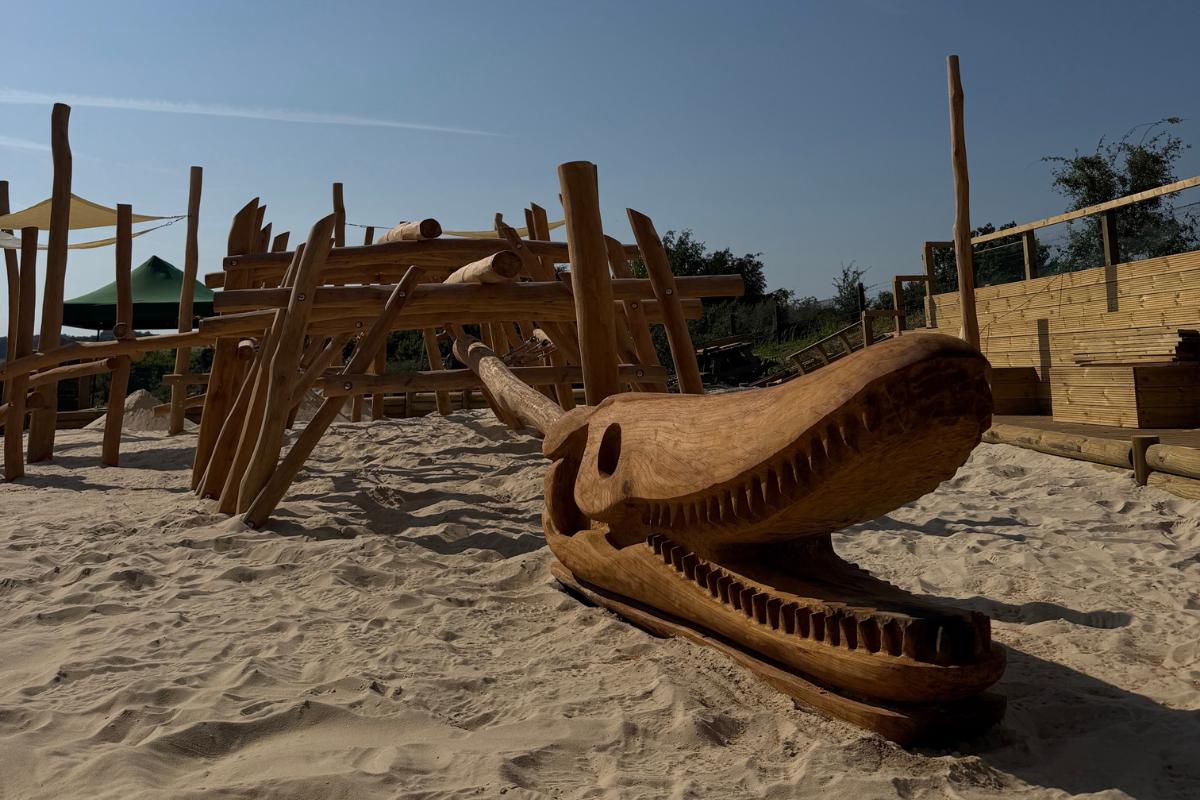
Dino Dig allows children to become palaeontologists, uncovering fossils at research stations and identifying prehistoric life.
They can also explore a giant Mosasaur fossil.

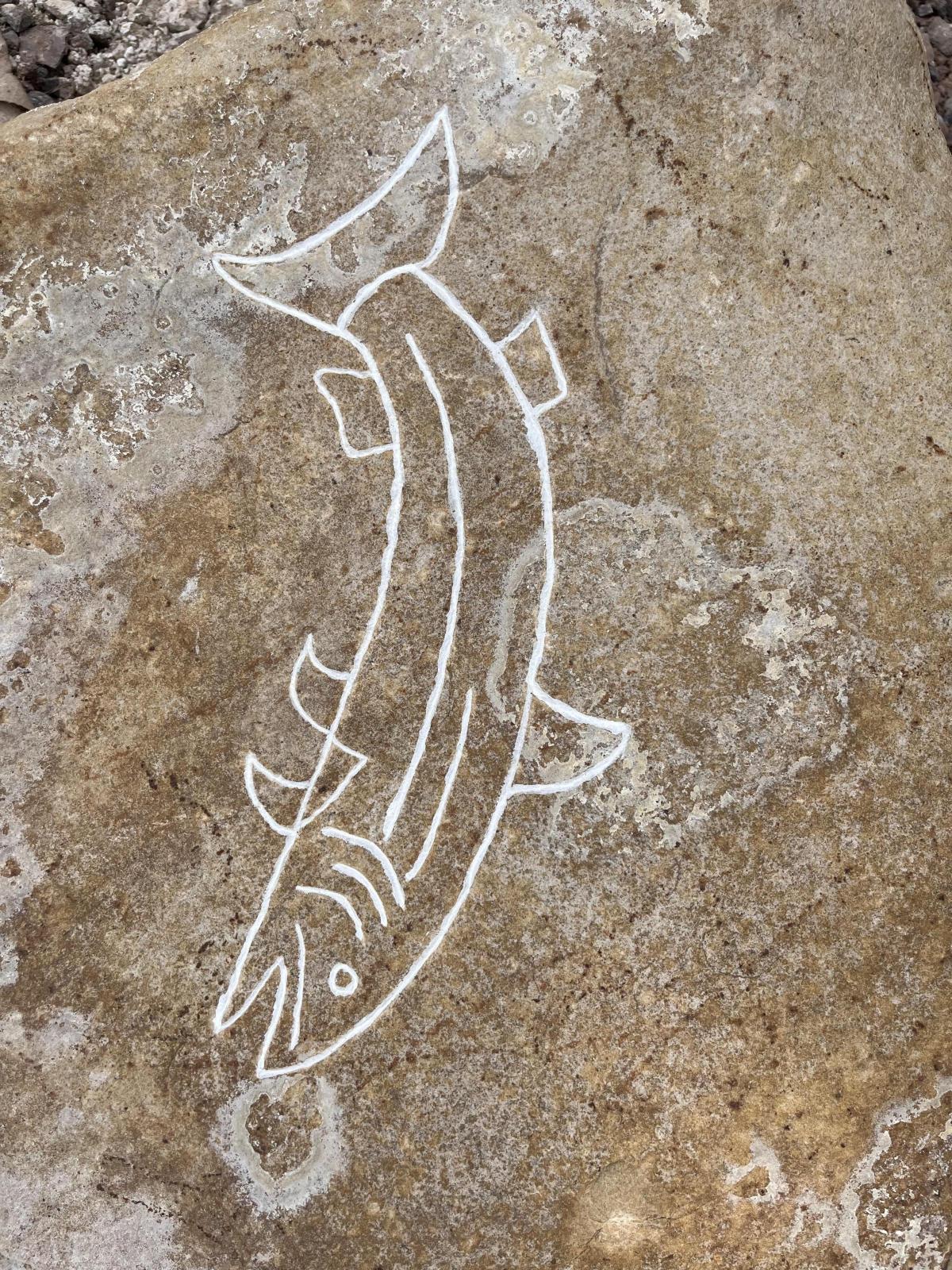
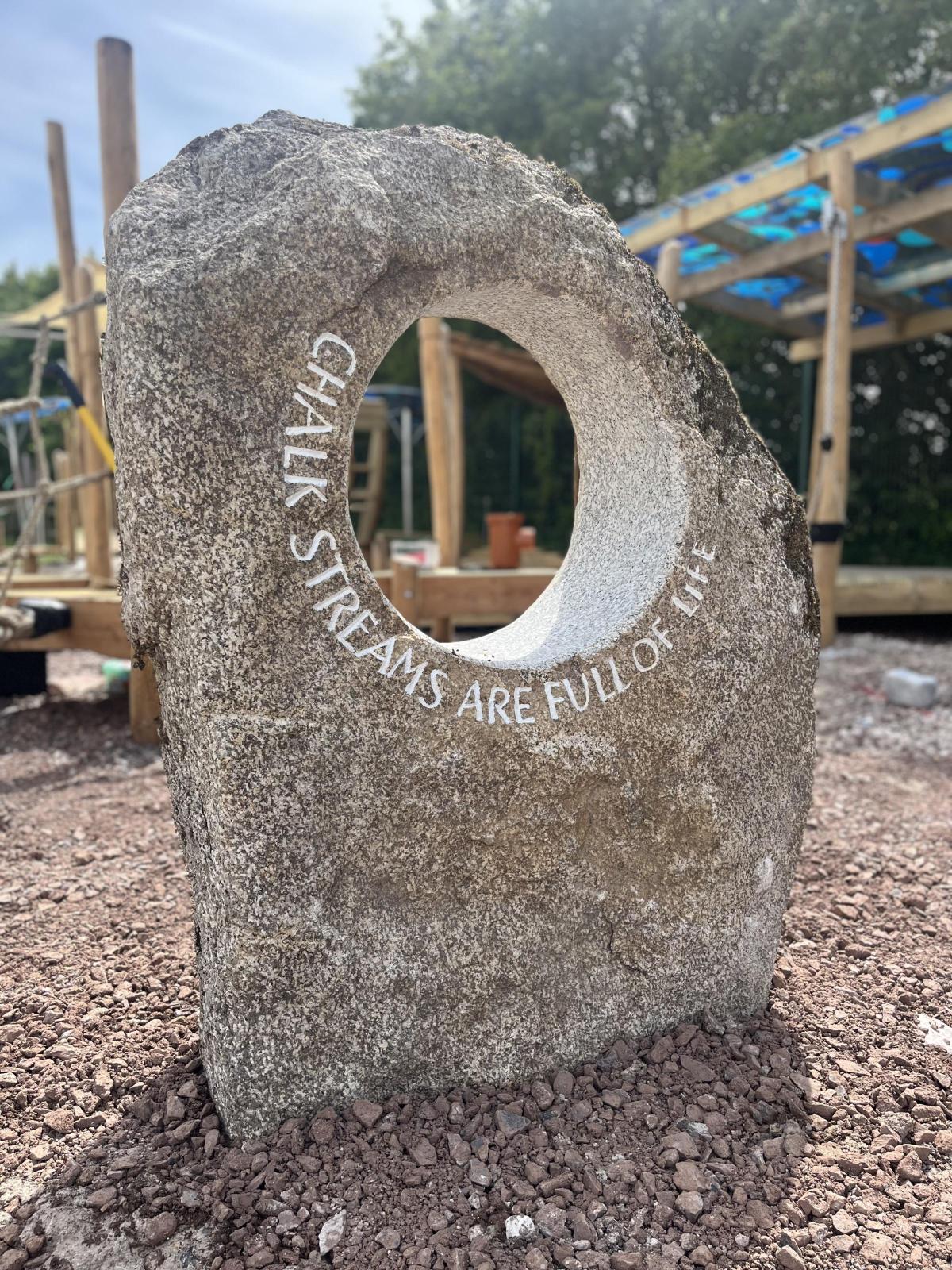
The Chalk Stream is a water play environment inspired by the UK's rare chalk streams, where children can sit under a waterfall and experiment with water flow using a pump, dams and accessible interaction points.
Dormouse Den encourages physical play inspired by the behaviour of hazel dormice - one of the UK's rarest and most elusive mammals - encouraging children to climb, jump and hide.
It is situated beside a hazel coppice that forms part of the surrounding habitat and is inspired by the movement and behaviour of dormice found there.
The exhibits have been shaped by the Wonderseekers Young Steering Group, a group of children who contributed ideas on how play can support discovery.
Their feedback informed the design, which focuses on hands-on, cooperative exploration.
Play consultant Amber Ogunsanya-Williams said: "What struck us from the very beginning was how naturally and instinctively children explore: they test, they move, they hide, they try things again.
"Our job was to design spaces that meet children where they are.
"Every interaction point in these spaces is rooted in how children actually learn: through movement, problem-solving, collaboration and imagination.
"This isn't play equipment. It's science, experienced with the whole body."
For more information, visit winchestersciencecentre.org/exploring/play-wild.


Share