



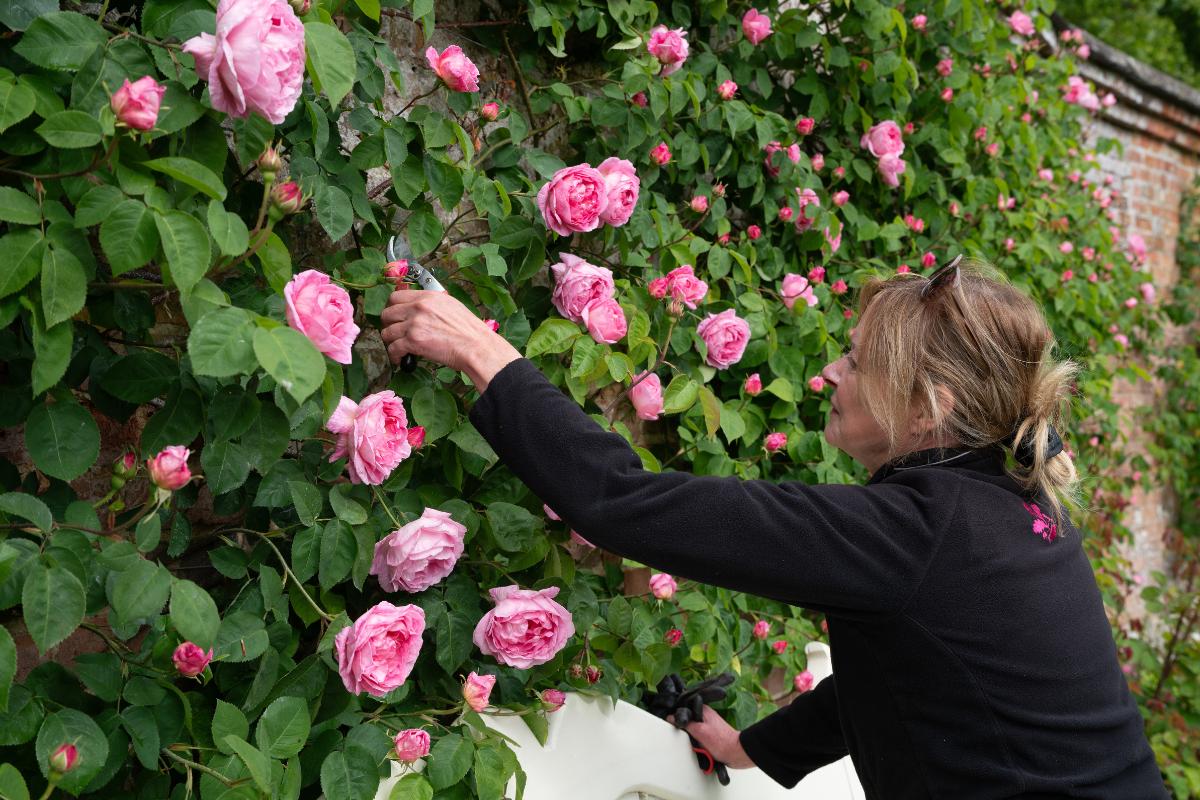
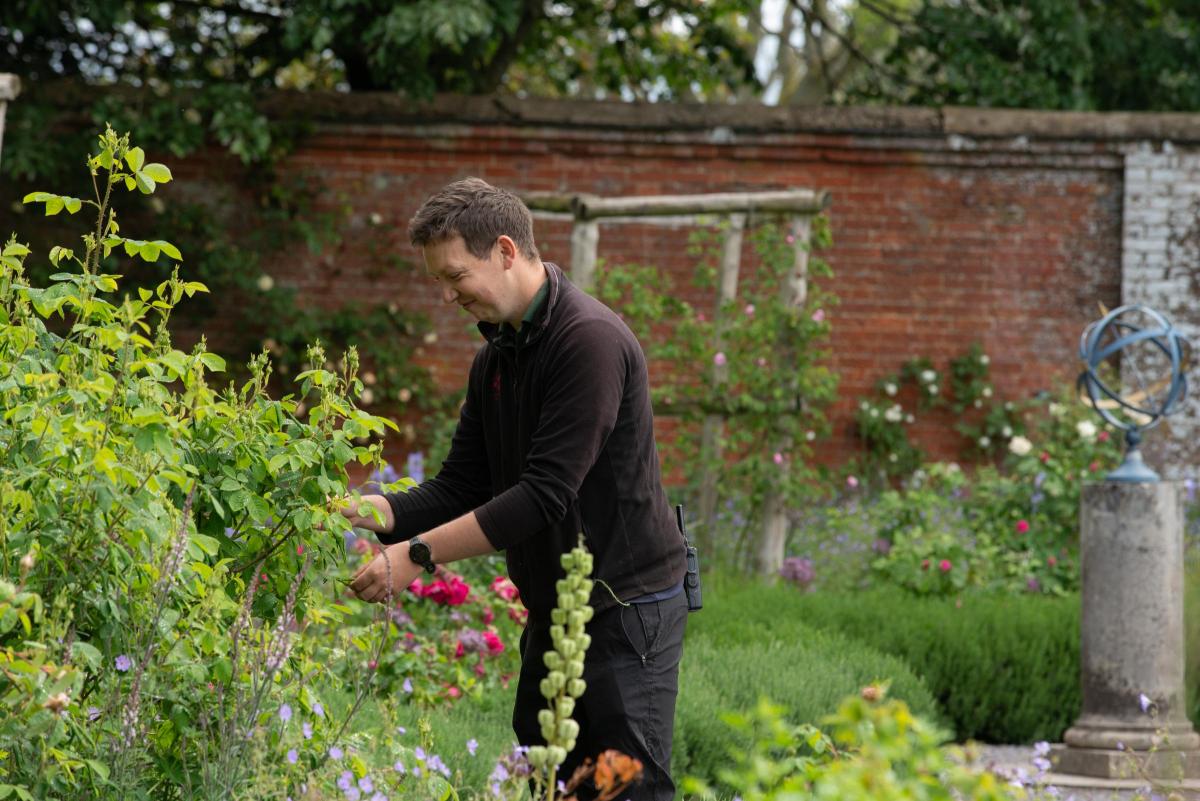
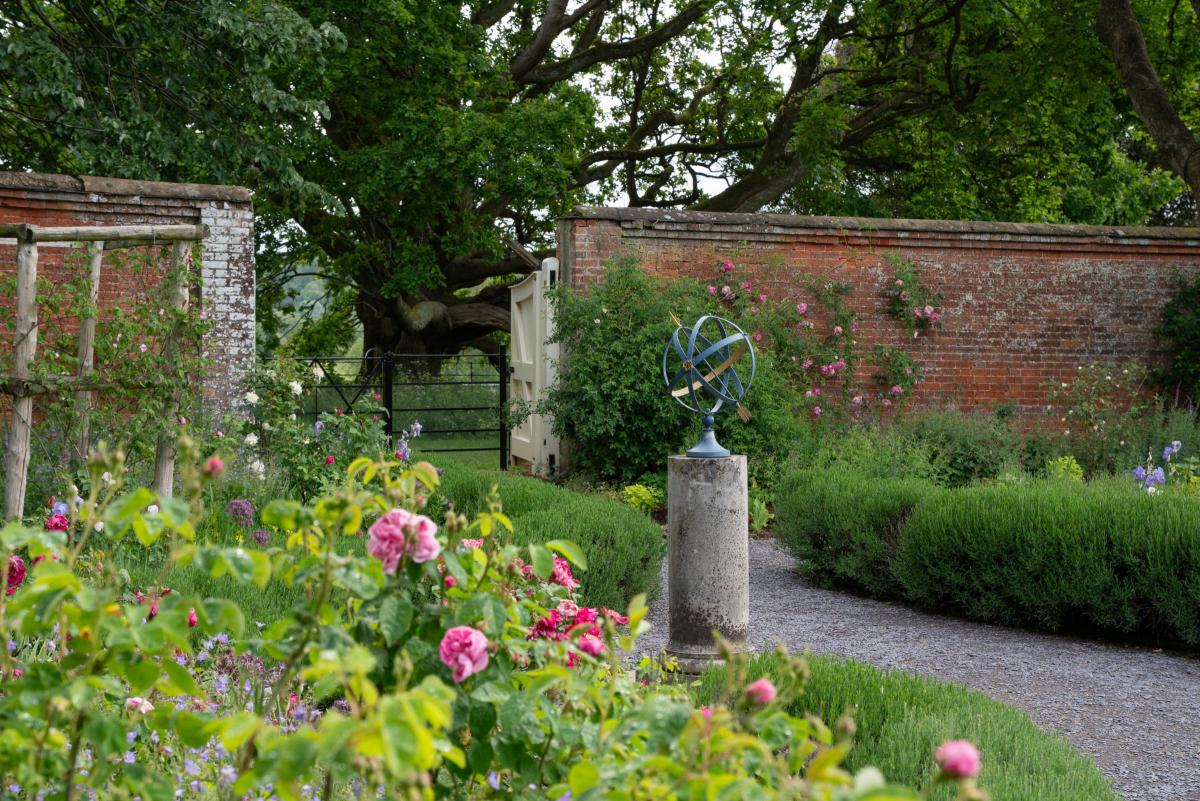

A rose garden at a Hampshire attraction is bursting into bloom weeks ahead of schedule, drawing visitors to its vibrant early display.
At Mottisfont, the world-renowned National Trust rose garden is already reaching its annual peak, weeks earlier than usual.
The early flowering has been triggered by an unusually mild, wet winter and warm start to spring.
Read more
-
New National Trust exhibition draws more than 1,000 visitors on opening weekend
-
'Remarkable' National Trust garden in Hampshire among most glorious to visit
-
National Trust displays works by leading artists in new printmaking exhibition
-
Council backs National Trust role to shield New Forest from housing impact
-
Winchester MP praises volunteers on 100k tree planting project with National Trust

Rob Ballard, head gardener at Mottisfont, said: "After a very wet, warm winter, including 42 consecutive days of rain at the start of the year, the roses got off to an early start.
"Then warm spells in April accelerated growth and this year they're flowering earlier than we can remember."
The unseasonal burst of colour is part of a wider pattern across the south of England, with other National Trust sites like Buckland Abbey and Chartwell also reporting early blooms.
Gardens further north, however, remain on their traditional schedule due to cooler conditions.
Rob said: "We've mulched the whole garden to lock in water, suppress weeds and build organic matter in the soil.
"It supports everything from the roses themselves to the worm population beneath them."
Adaptations to changing weather have become a regular part of garden management.

Mottisfont’s team is adjusting pruning techniques and introducing more sustainable planting to help conserve rare and historic varieties.
Rob continued: "We're adjusting our pruning to let roses such as 'Adélaïde d'Orléans' grow in a more natural way and thinking longer-term about the right plant in the right place, better water management and conserving rare varieties so they survive for generations to come."
Visitors can expect a stunning, if shortened, display this season.
The rose garden features more than 1,000 plants and nearly 500 varieties, many of which are rare or historically significant.
Similar changes are being seen elsewhere. At Buckland Abbey in Devon, senior gardener Sam Brown said roses are now blooming two to three weeks earlier than in the past.
Mr Brown said: "Shorter dormancy periods, more pests surviving the winter and increasing summer drought all create challenges.
"We’re responding by improving soil health, selecting resilient varieties and using techniques like mulching and underplanting to retain moisture."
National Trust horticultural specialist Rebecca Bevan said: "Across the National Trust’s gardens, teams are refining a more sustainable, long-term approach to gardening in response to climate change and biodiversity loss."
Visitors hoping to catch the rose displays are encouraged to visit earlier than usual, with Mottisfont offering special openings to accommodate the early bloom.


Share