



AFTER nearly six and a half centuries of an all-male intake, Winchester College is on the threshold of admitting girls. It will be the start of a new era, though in fact masters’ wives and daughters have been around for a long time.
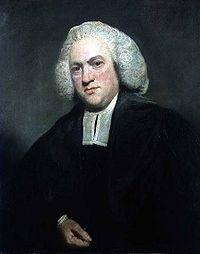
Someone who was acutely aware of this was Thomas Collins, who came to the school in 1766 as second master or usher, a relatively lowly position under headmaster Dr Joseph Warton, who had himself been second master. By the 1780s Thomas was a widower with three unmarried girls to look after – and that led to problems.
At the time, most of the money earned from the school’s estates went to its warden and fellows. The hard work of actually teaching the boys was largely left to the two masters, whose pay was derisory. In fact, when Thomas arrived he ran straight into a dispute with the school’s senior partner, New College, Oxford.
William of Wykeham’s statutes forbade acceptance by masters of tips, often given by parents trawling for favours. To stamp out the practice, annual stipends paid to the head and his assistant were to be increased to £250 and £100, respectively, and tips banned entirely.
This was met by outrage, as masters had previously profited greatly from such back-handers. The ultimate arbiter of the dispute was the school’s ‘visitor’, the bishop of Winchester, Benjamin Hoadly, himself a worldly man, who lived in London and rarely visited the diocese.
His ruling centred round interpretations of the Latin text of the statutes, but ultimately he came down in favour of tipping, provided the headmaster’s pay stood at £150 and no money was taken from ‘the poorer sort of scholar, especially…the sons of Clergymen’.
Another source of revenue for the masters – and a perfectly legitimate one – was taking fees for teaching non-scholars, termed ‘commoners’, but in fact often from high-ranking families. In a nice touch of populism, the statutes stated that no more than ten such noblemen could be accommodated. It was an attractive arrangement, as they lived with the head and paid him £200 a year.
Although the scheme was generally well received, there were caveats. One of the noble pupils, David Lord Elcho, who spent a fortnight travelling to Winchester from his ancestral castle in Fife, wrote: “We did not learn Latin and Greek as well as we should have done with a private tutor, but were taught how to live as men of the world …”.
And it was this situation, of well-heeled young men hanging around the school, that ultimately brought Thomas great troubles. Even so, it started well with Sarah, the first of his daughters to marry. She chose Philip Williams, a fellow of Winchester and a fourth-generation cleric with a namesake father who had once been tipped as the master of a Cambridge college.
Philip later served as chaplain to the speaker of the House of Commons (as told in my book The Speaker’s Chaplain and the Master’s Daughter) and held cathedral livings at both Canterbury and Winchester. And like many churchmen of the period, he profited greatly during his lifetime from several different parish livings.
He had, in fact, sought Sarah’s hand some years before the marriage, but without success. He was luckier after a visit to Kew with her and later mused: ‘Again in Winchester we meet/The lowest end of Kingsgate Street’.
This was scarcely body-ripping passion, but it must have warmed Thomas’ heart: Philip was clearly a ‘suitable husband’, especially as he was in line to gain the lucrative living of Compton. The rectorship came his way the year after they married and he held it for the rest of his 50 years.
The schoolmaster still had two more daughters to be walked up the aisle and, with what he no doubt regarded as good fortune, there happened to be two young noblemen in his care. Unlike normal commoners, who were of school age, these two men had been to Oxford, though neither had graduated (not uncommon for their class) and were ‘being kept out of trouble’ in Winchester.
Certainly, neither of them could expect care from their family: Jeremiah Dyson had lost his mother shortly after going to Eton and his father whilst at Oxford. His ‘nobility’ was also questionable, as he had actually had it purchased at Eton by paying what was called ‘additional caution money’.
His father had been a distinguished Clerk of the House of Commons, which does not sound much of a job, but was in fact was a position of power and authority, as he steered legislation through parliament and pocketed substantial fees for private bills.
The other ward of Collins was unquestionably ‘noble’, related to the Tory grandee and political philosopher, the 1st viscount Bolingbroke (1678-1751). But his family setting was abysmal: his parents had divorced due to his mother’s adultery (then termed ‘criminal conversation’) and his father – nicknamed Bully – was insane from drink.
In 1781, two years after Sarah’s marriage, her sister Elizabeth married Jeremiah at St Swithun upon Kingsgate, Winchester, and the couple set up home in the rectory at Compton, rented from Philip. It was, however, a shaky start: only a year after the marriage they had spent the enormous sum of £3,700 and had debts of £700.
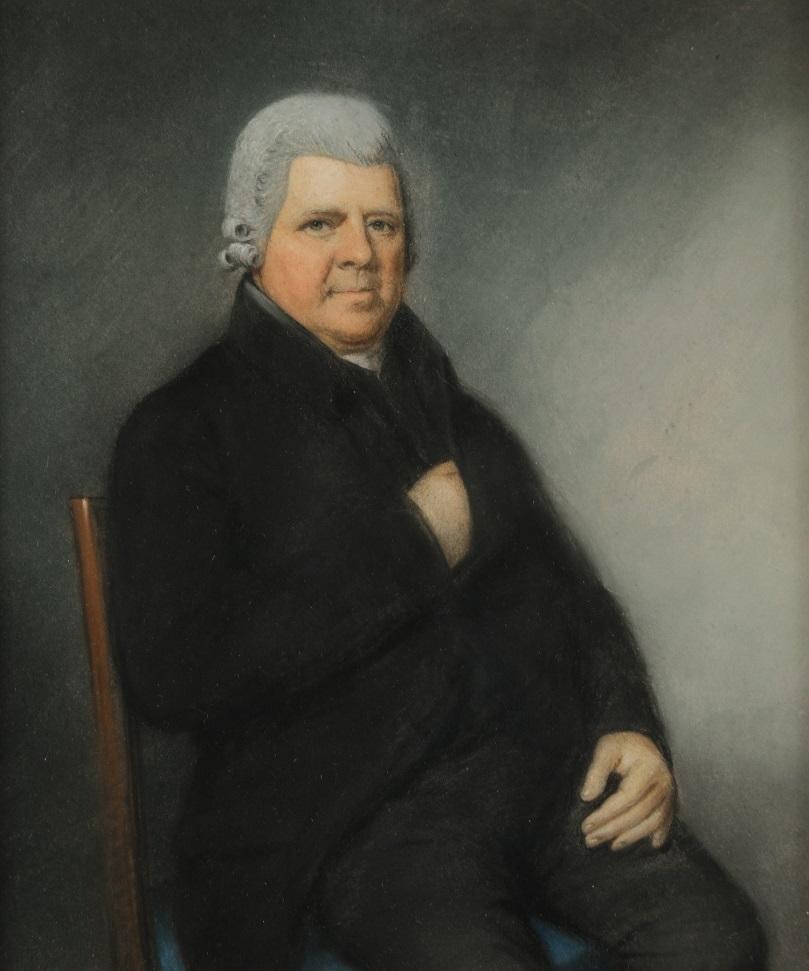
Eventually they did settle down, particularly after Jeremiah managed to get a ‘place’ in London, where he eventually followed his father to the House of Commons, albeit only as the Deputy Clerk. He served under John Hatsell, who is pictured in that famous picture, William Pitt Addressing the House of Commons.
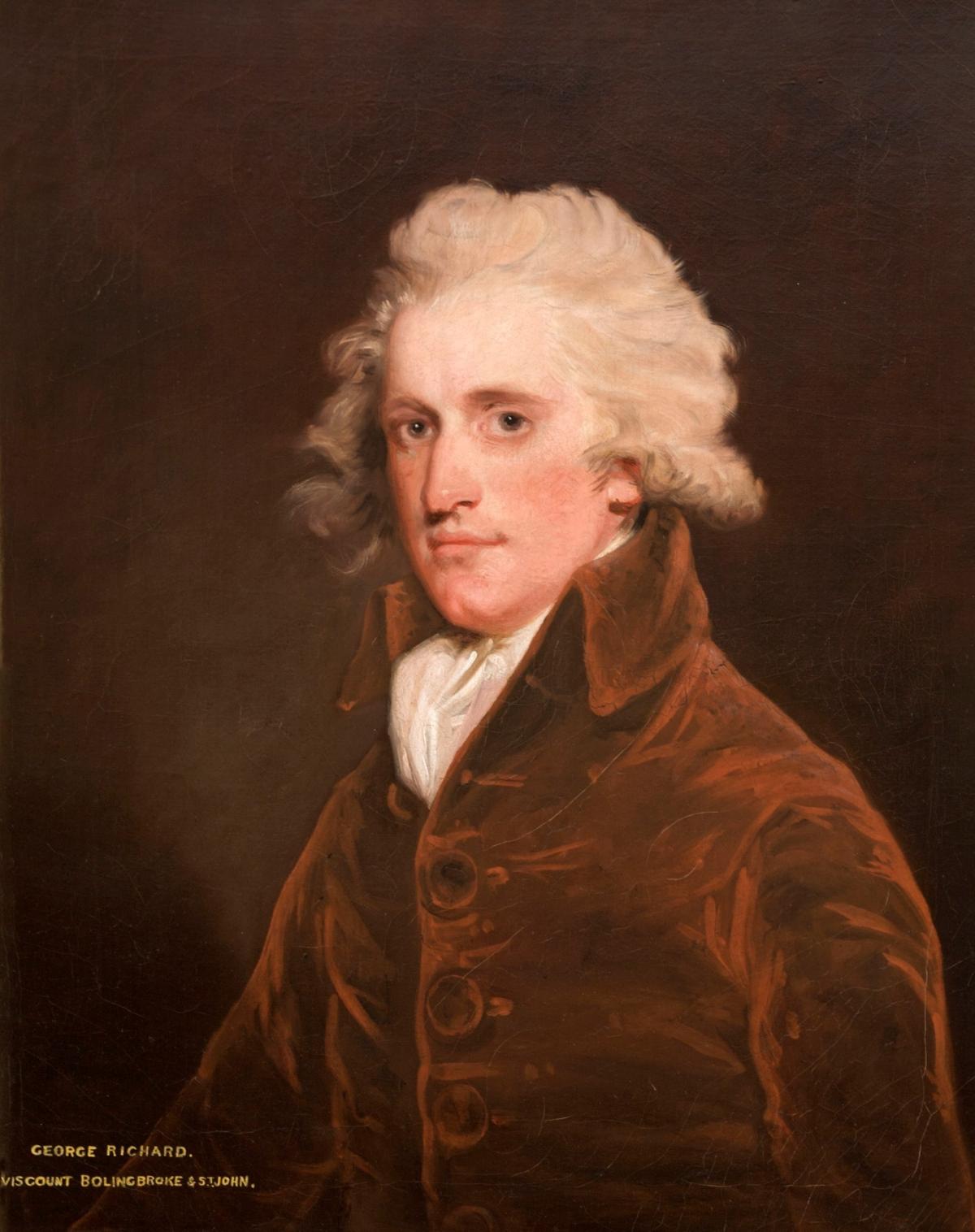
In 1783, two years after Elizabeth’s wedding, the third daughter Charlotte walked into an entirely different kind of marriage with George Richard St John (3rd Viscount Bolingbroke from 1787). It hardly started well, as it was performed in secret by Philip in the rectory at Compton. And it soon went rotten: within a few years St John had tired of Charlotte and started an affair with his half-sister, Mary Beauclerk, who fell pregnant.
The couple fled to France where the baby was born and – incredibly – Charlotte went to give assistance. Perhaps she hoped the marriage could be repaired, but St John, now guilty of a crime, fled to New York city, then upstate, where the locals were amazed to find a newcomer who was such a good shot.
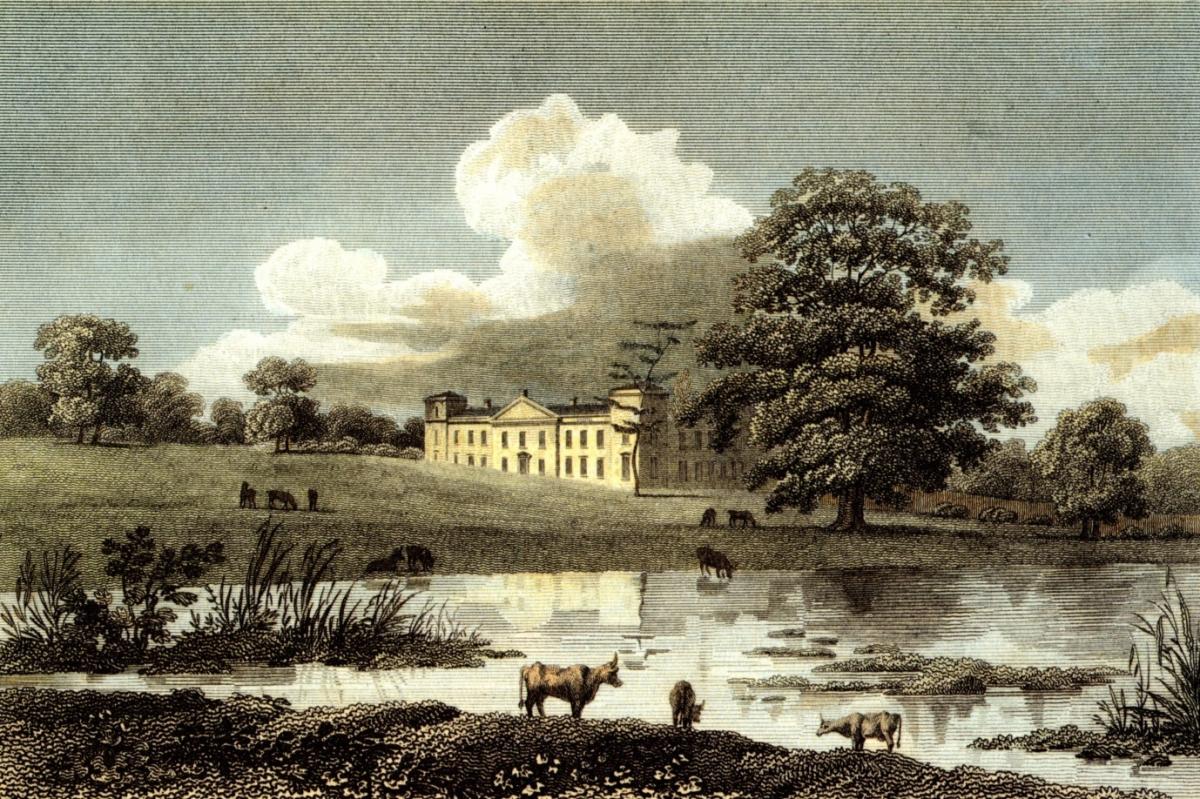
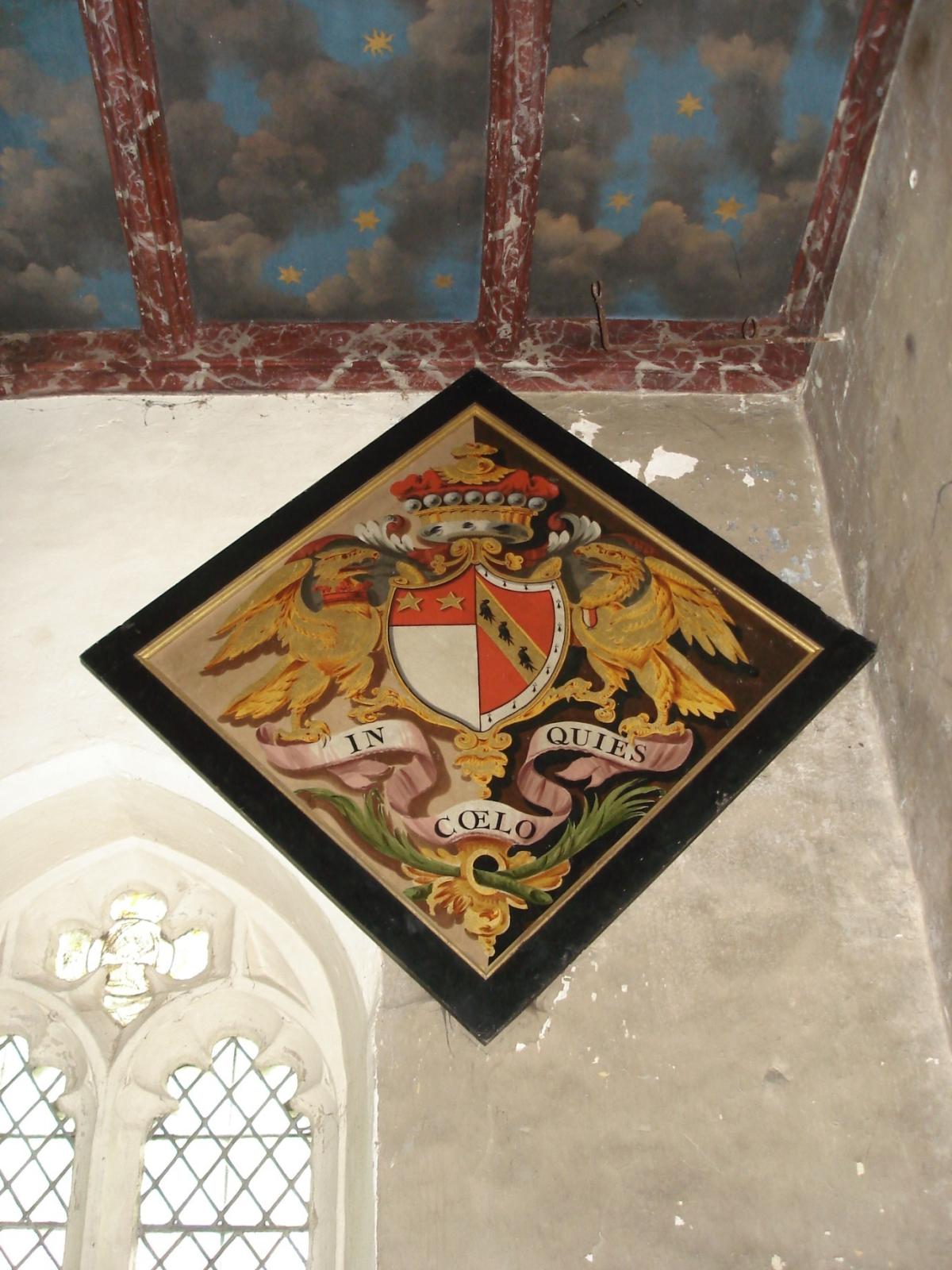
Charlotte Viscountess Bolingbroke, became a tragic figure living alone in her husband’s ancestral mansion, Lydiard Park, near Swindon. Bolingbroke himself settled for a life of exile with his third partner, Baroness Isabella Antonia Marianne Charlotte Sophia von Hompesch-Bolheim, who gave him seven children. Immediately after the death of Charlotte in 1804 he married his baroness in New York and returned to take possession of Lydiard.
Some insight into the terrible hurt suffered by Thomas Collins, who after Winchester went back to his native Midhurst and took a cathedral living at Chichester, comes from a clause in his will, ensuring that his estate was not “in any manner subject to the control engagements or interference of George Richard Lord Bolingbroke”.
For more on Hampshire, visit: www.hampshirearchives trust.co.uk and www.hantsfieldclub.org.uk.
barryshurlock@gmail.com
Message from the editor
Thank you for reading this story. We really appreciate your support.
Please help us to continue bringing you all the trusted news from Winchester by sharing this story or by following our Facebook page, click this link and hit like.
Kimberley Barber


Share